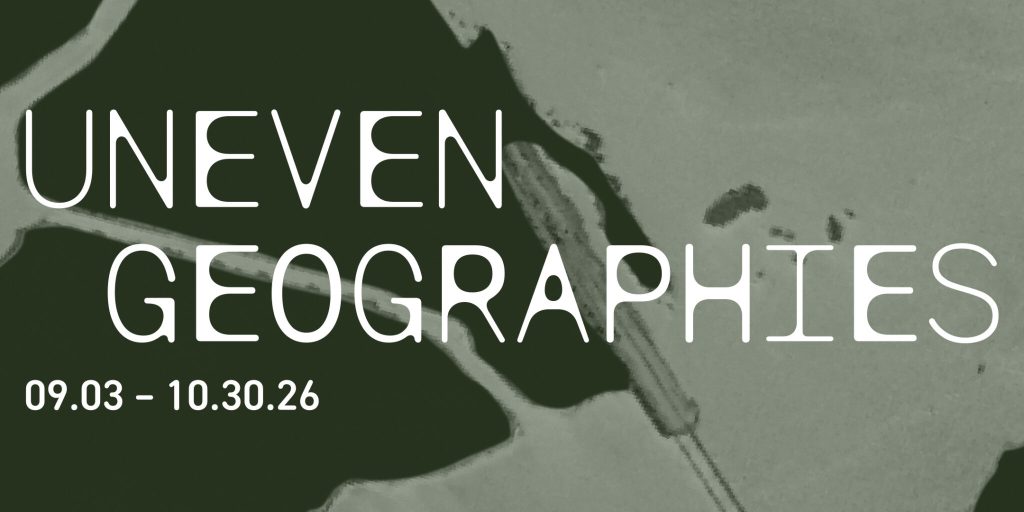
The current exhibition at John Jay College’s Anya and Andrew Shiva Gallery,Uneven Geographies, features the work of six artists, working in diverse media, whose projects illustrate how official policies and conventions can lead to political, economic, ecological, and cultural dispossession. The show ends on October 30 so, try to get there to see it if you can. If you live elsewhere or miss the show, this episode is still well worth listening to. In it, gallery director Macushla Robinson talks with Uneven Geographies curators, Candice Strongwater and Gauri Bahuguna, about the curatorial process, art as an alternative form of justice, what constitutes evidence, the relationship between art and activism and subverting fixed ideas of what is meant by geography. Candice is an independent curator and Senior Manager of Research and Curatorial Initiatives at SITU Research. Gauri is a computational designer and Deputy Director of Research at SITU.
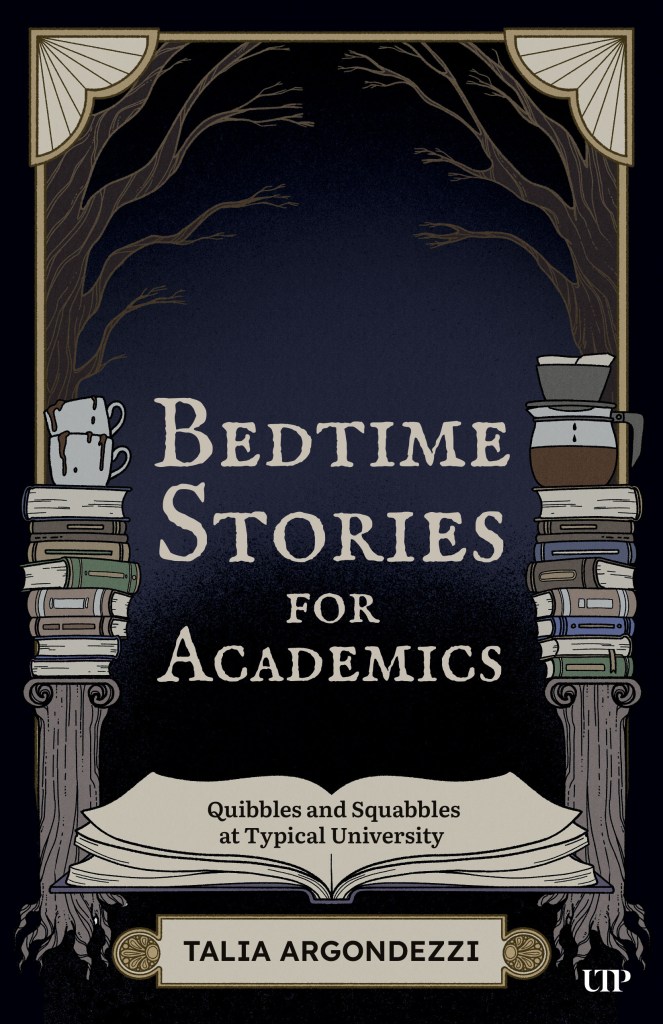
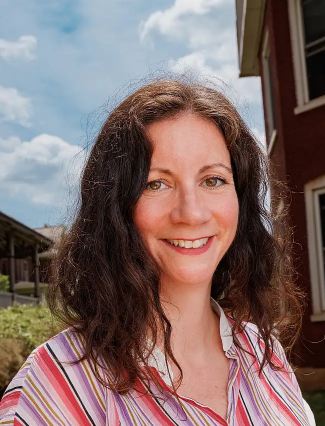
I had the pleasure of talking with the author of Bedtime Stories for Academics: Quibbles and Squabbles at Typical University, published by University of Toronto Press. The author,Talia Argondezzi, is an alumna of the CUNY Graduate Center doctoral program in English, and for the last 13 years has been at Ursinius College in Collegeville PA where she teaches and is the director of the writing and speaking program. Bedtime Stories is a collection of well-known myths and fairy tales set in the world of higher education with recontextualized characters. Characters include Cinderadjunct and Professor Sisyphus, and just a few of the stories are “A Finals Week Christmas Carol,” “The Tortoise and the Hare Execute Their Research Agendas,” and “Goldilocks and the Three Reviewers.” It is a hilarious and spot on read, and I urge you to get a copy and read it immediately. While there is admittedly much to critique in this sector where many of us spend our days and decades, Talia’s stories, above all are funny and affectionately critical.
She talks with me in this episode about finding a new side to her writing self while working in academia and living in a pandemic lockdown, and how comedy and satire have now become her dominant mode. She enjoys the much less fraught publishing process writing for outlets like The New Yorker and McSweeney’s as compared to scholarly publishing and the fact that her friends and colleagues read her output with absolutely no cajoling. She talks about the social and emotional benefit of satire, especially how comedy helps us through hard times.
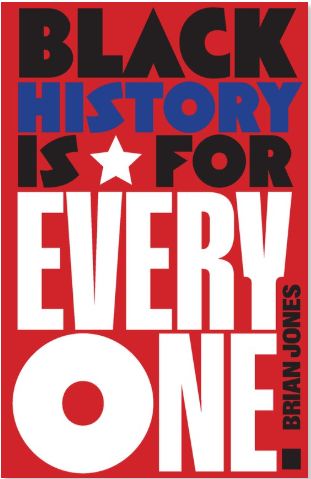
Dr. Brian Jones has held several positions at the New York Public Library, at the Schomburg Center for Research in Black Culture, the Center for Educators and Schools, and now as the Senior Director of Reading and Engagement. He is an alumnus of the doctoral program in Urban Education at the Graduate Center as is his conversation partner and fellow scholar, Dr. Robert Robinson. When Robert challenges Brian to an abbreviated biography, Brian refers to himself as a reader, writer, teacher, and learner of Black history. In this episode, they discuss Brian’s latest book, Black History is for Everyone, published by Haymarket Books in 2025. Their deep and thought-provoking conversation is framed around the four themes from Brian’s book: race, nation, revolution, and education.
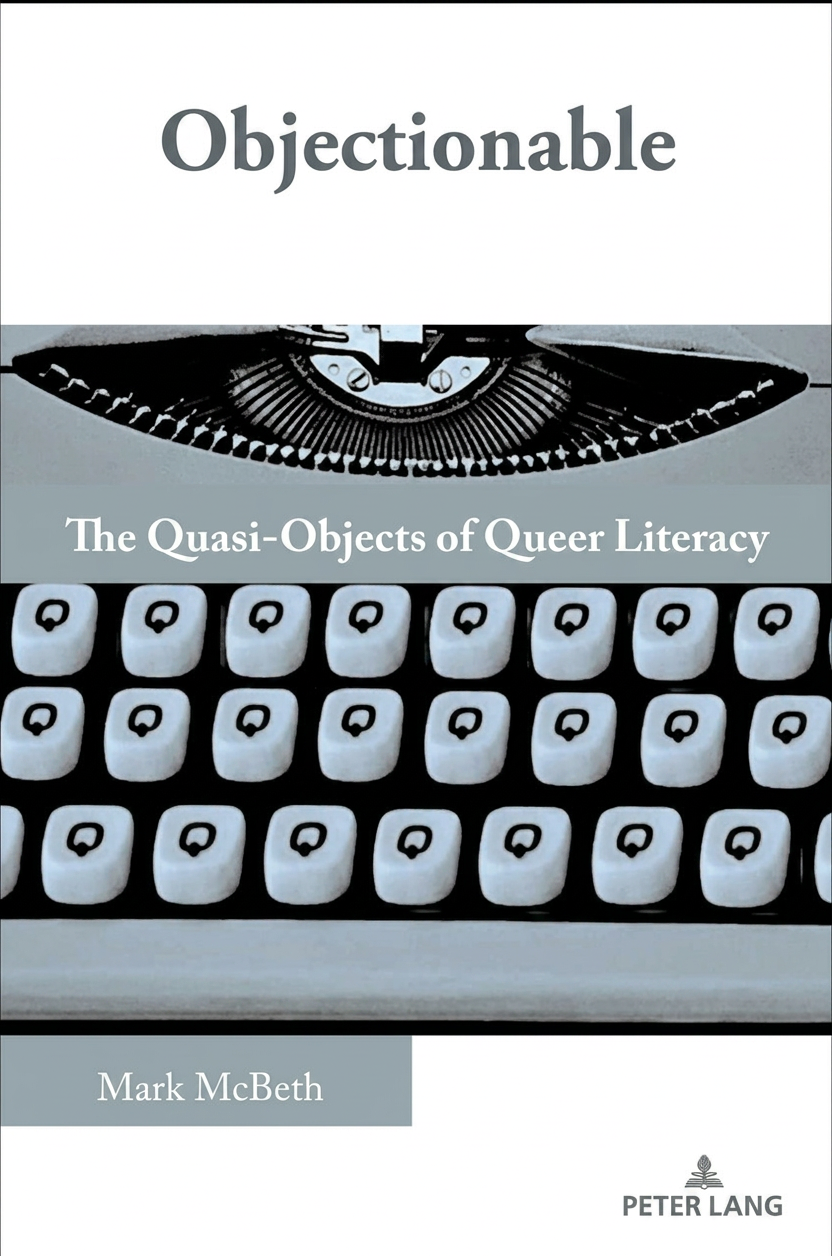
Mark McBeth, Professor of English at John Jay and the Graduate Center, has had a keen interest in objects for a long time. That interest has manifested in his creative and scholarly life and has evolved into a deep respect for finding, preserving and interpreting them. In his latest book, Objectionable: The Quasi-objects of Queer Literacy(Peter Lang, 2026), he uncovers how physical everyday items (specifically here: police cadet textbooks, young adult sex education manuals, and syndicated advice columns) have actively enforced homophobia or enabled queer survival. Objectionable follows the narrative thread in his previous book, Queer Literacies: Discourses and Discontents (Lexington Books, 2019), but it shifts the analysis from the systemic institutional sponsors of homophobic rhetoric to the tangible, everyday textual objects that have a profound impact on queer survival, identity, and resistance. In other words, a focus from the powerful agency of people to that of things.
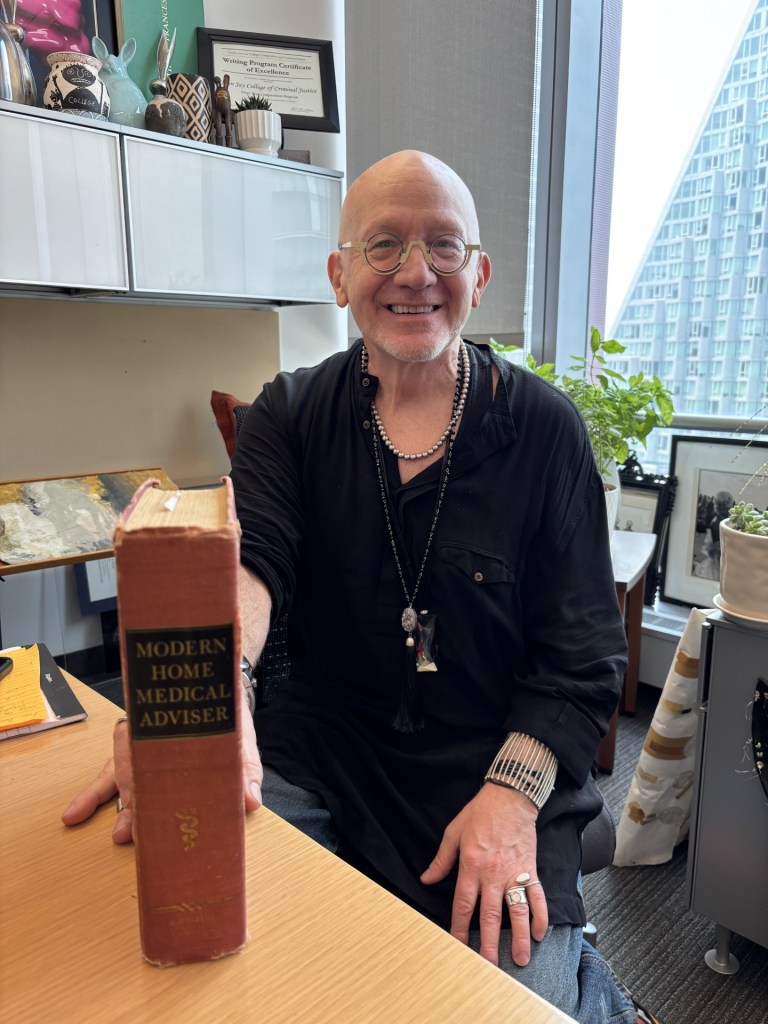
In this episode, Prof. McBeth talks about Bruno Latour and the sociological lens of quasi-objects (things that are neither purely social constructs nor inert physical matter), the interdependence of literary sponsors, his elementary school teacher Mrs. Spencer, a certain medical dictionary (see photo below), significant figures in the world of queer archives such as Barbara Gittings, and some of his own archival quests.
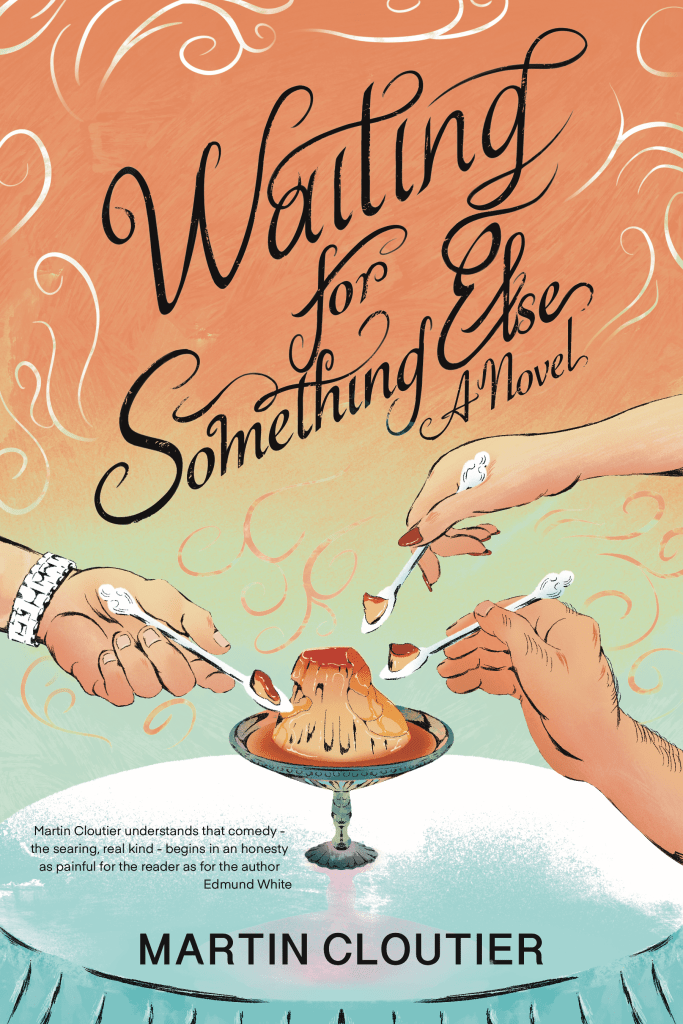
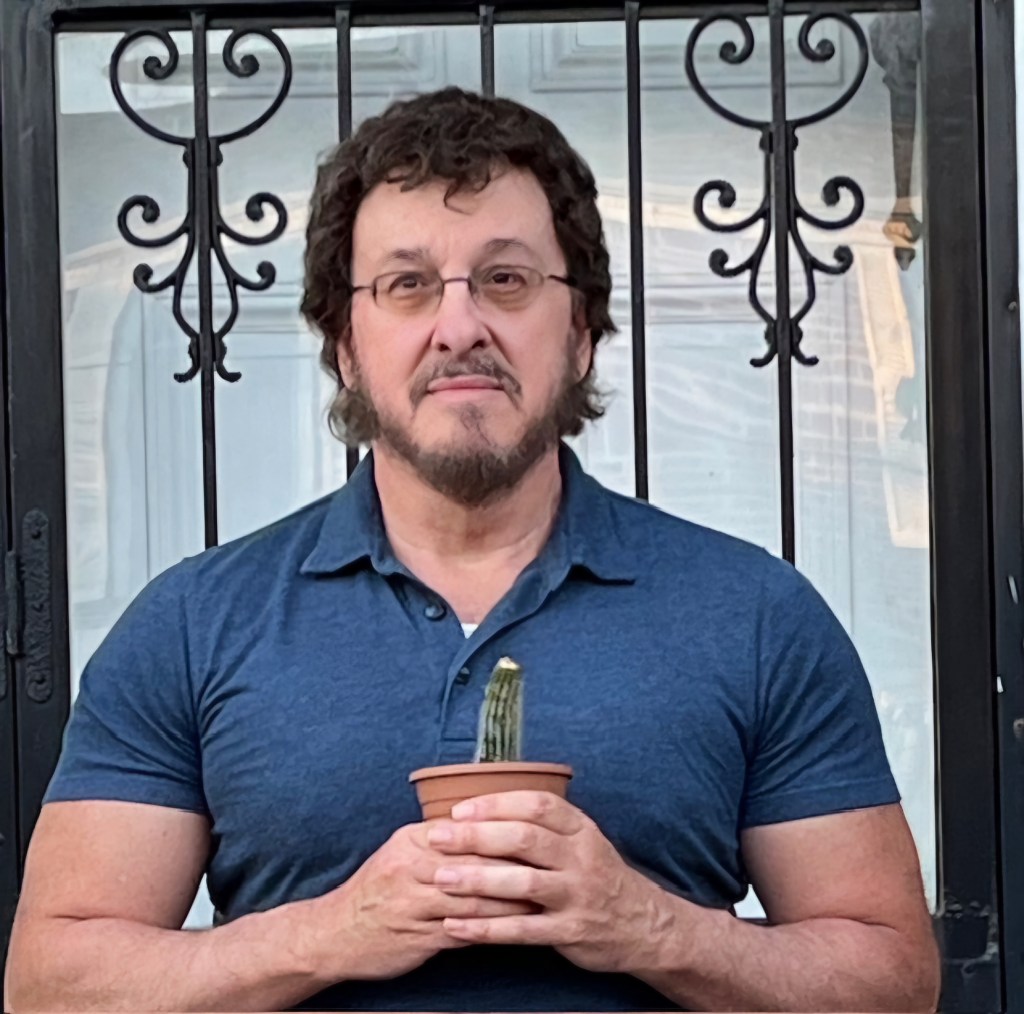
Martin Cloutier is an adjunct assistant professor at the College of Staten Island where he teaches writing to undergraduates. So, needless to say, we spend some unavoidable time in this episode talking about AI. But first we talk about Martin’s Lambda Literary Award-nominated novel, Waiting for Something Else, which was published by Heliotrope Books in 2025. Taking the description from one reviewer because it’s so pithy and perfect, it’s an “irreverent, unrequited sex comedy.” Martin talks about his bewilderment at the lack of funny literary novels as well as the lack of sex. So those two elements are deliberately at the forefront in this book. We had fun kvetching about the tyranny of likable characters and a general blandness and purity in contemporary fiction. Get ready for some strong opinions, or as we would describe it – hard truths. Zoomers, academics and book publishing professionals, you’ve been warned!
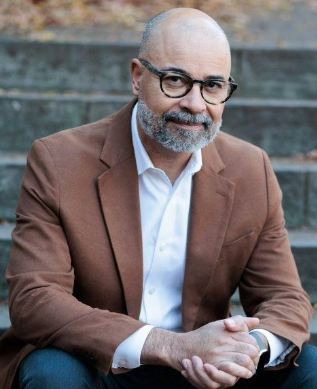
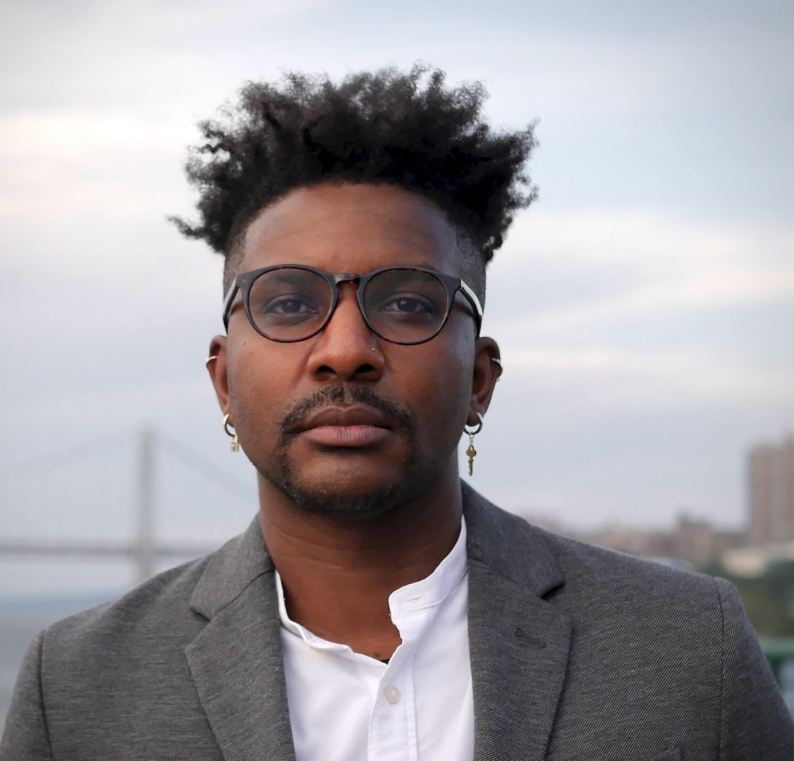
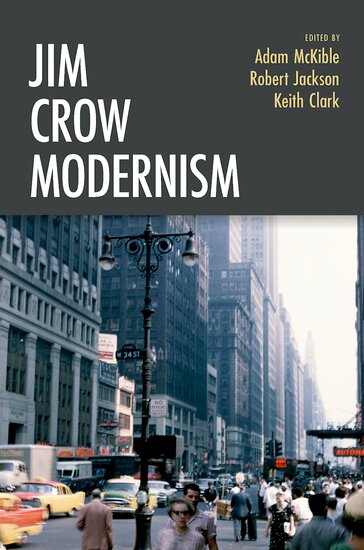
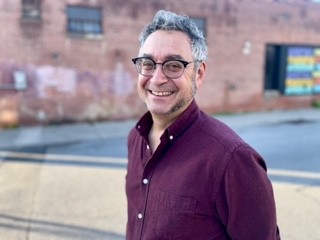
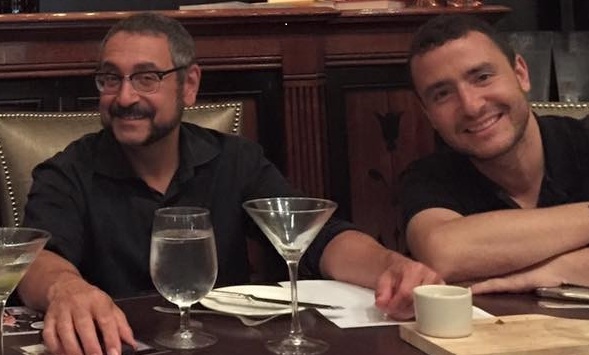
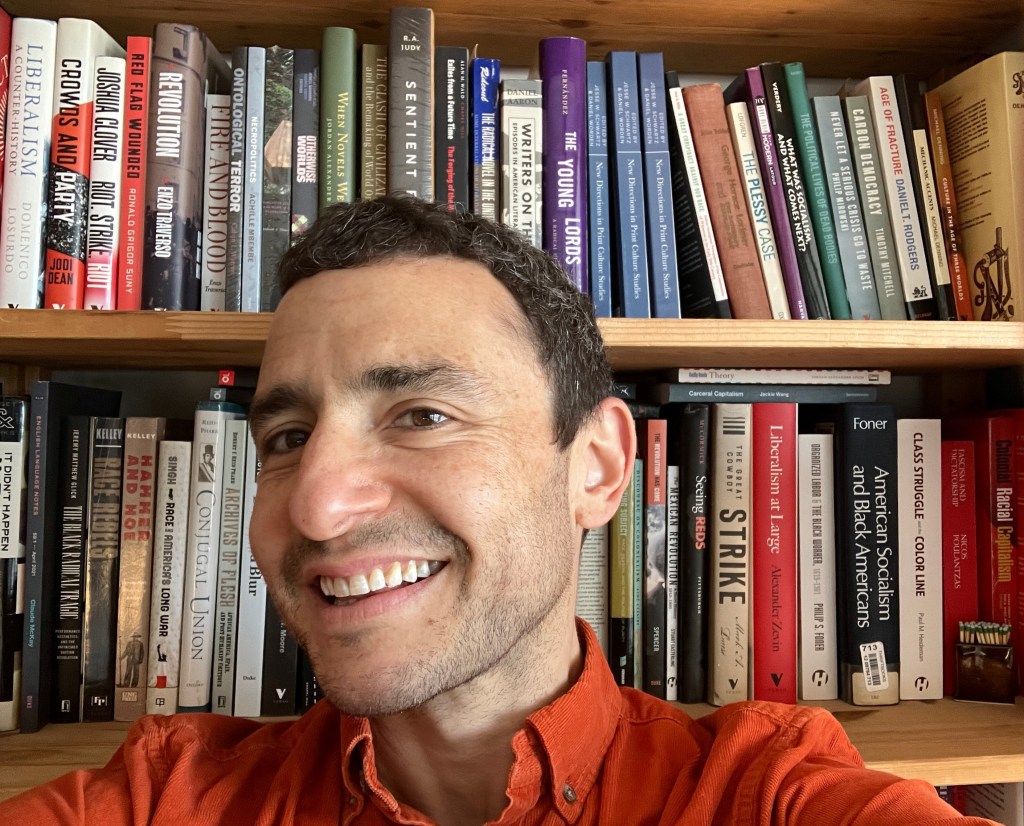
Adam McKible is a Professor of English at John Jay College of Criminal Justice. His most recent book is Jim Crow Modernism, a volume co-edited with Keith Clark and Robert Jackson. In this volume and in his previous book, Circulating Jim Crow: The Saturday Evening Post and the War Against Black Modernity, Adam explains how and why American literary modernism and Jim Crow modernism are deeply and fundamentally intertwined. In this new collection, he and the contributors expand on the definitions. One of those contributors, LaGuardia Community College Professor of English Jesse Schwartz – who is also a faculty committee member at the Committee on Globalization and Social Change at the CUNY Graduate Center – joins Adam in discussing the new book, the riches of periodical studies, big and little magazines, the blessing and the curse of microfilm versus digitization, “recovery work,” and what it means for a publication to “register and re-contain.”
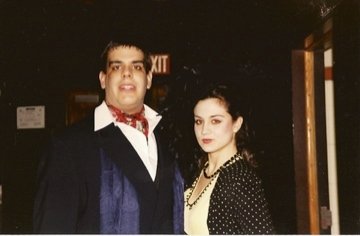
Professors McKible and Schwartz have been colleagues for a long time! See below for evidence. Their rapport in this conversation is another delightful testament.
Save the date for the Jim Crow Modernism symposium, Sept. 25, 2026 at the CUNY Graduate Center.
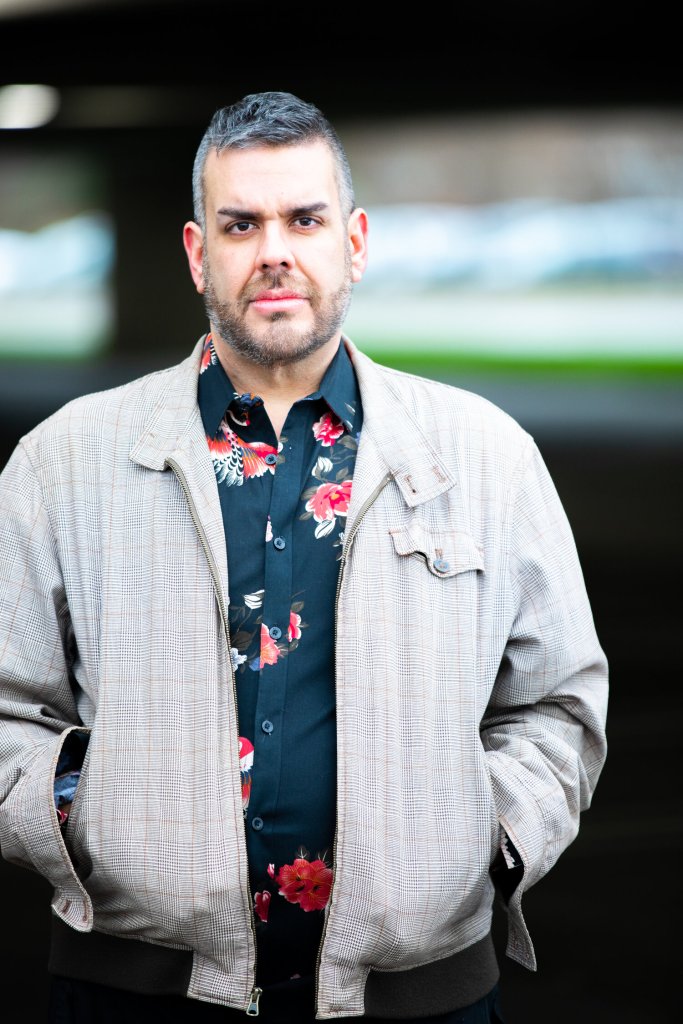
C. Julian Jiménez is an award-winning queer, Puerto Rican, and Dominican playwright and Chairperson of the Department of Communication, Theatre, and Media Production at Queensborough Community College. In this episode, he’s in conversation with a friend and former castmate from their Rider University days. Elaina Battista-Parsons is an editor, writer, and reader for Vine Leaves Press and micro fiction instructor for Yellow Arrow Publishing. She interviewed the New York Historical’s Valerie Paley last year. They reminisce a bit about their performing past, then launch into Julian’s creative work and his CUNY life – the two of which are inextricably intertwined.
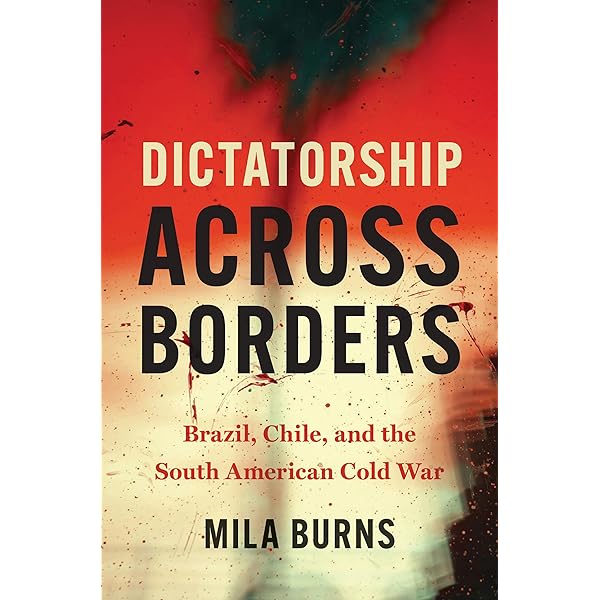
Mila Burns is associate professor of Latin American and Latino studies at Lehman College and of history at the CUNY Graduate Center, where she is also the associate director at the Center for Latin American, Caribbean, and Latino Studies. Dr. Burns’s most recent book is Dictatorship Across Borders: Brazil, Chile, and the South American Cold War published by the University of North Carolina Press. The book reshapes conventional understandings of the South American Cold War by emphasizing Brazil’s proactive role in the Chilean coup. Drawing on testimonies of Brazilian political exiles and newly declassified sources, Dr. Burns demonstrates that the conflict was not solely U.S.-driven, but involved regional actors, and that both repression and resistance operated across national boundaries. She talks about the book in a lively conversation with Richard Relkin, good friend of the podcast and Assistant Vice President for Communications and Marketing at Lehman College.
For more about Próspera, the Honduran city referenced in the episode, see this New York Timesarticle.
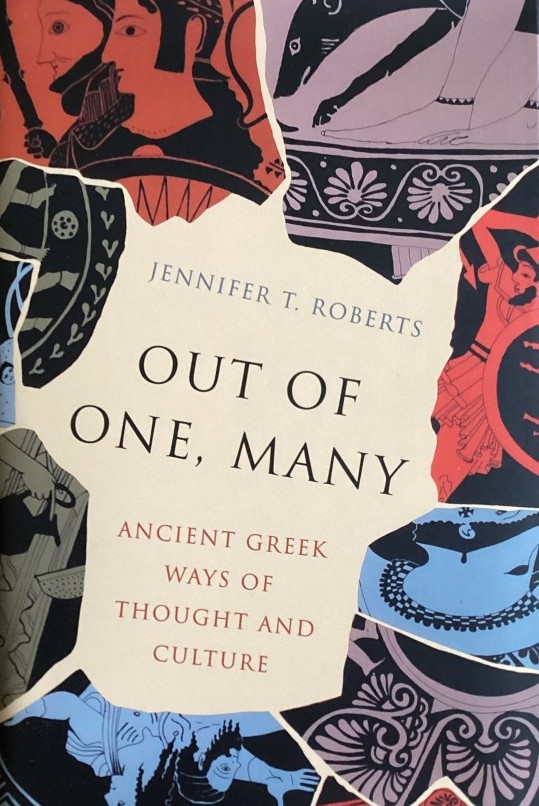
Jennifer T. Roberts, Professor of Classics and History, and Nickolas Pappas, Professor of Philosophy and Classics, have been City College colleagues for more than thirty years. Here they discuss Jen’s latest book, Out of One, Many: Ancient Greek Ways of Thought and Culture. The word “many” in the book’s title describes the variation within and among the ancient Greeks, and the word “one” is a nod to the steadfast ego and drive of the individual, within which, too, there is vast diversity. They address opposing world views by various thinkers on the existence, the definition or surprising backstory and impact of concepts such as motion, courage, competitiveness, ostracism, and antagonism and Nick asks Jen what she thinks people imagine when they think of antiquity, and what students find most incomprehensible when it comes to learning about Ancient Greece.
In the event you might think this episode is not for the likes of you, I assure you that the conversation is lively, accessible and includes references to Seinfeld, the Muppets and Percy Jackson. Above all, their friendship and scholarly amity shines through, making this a conversation that will likely have you smiling as you listen.
Scroll down this page for a bit more about Jen who earned the Distinguished Professor title in 2025.
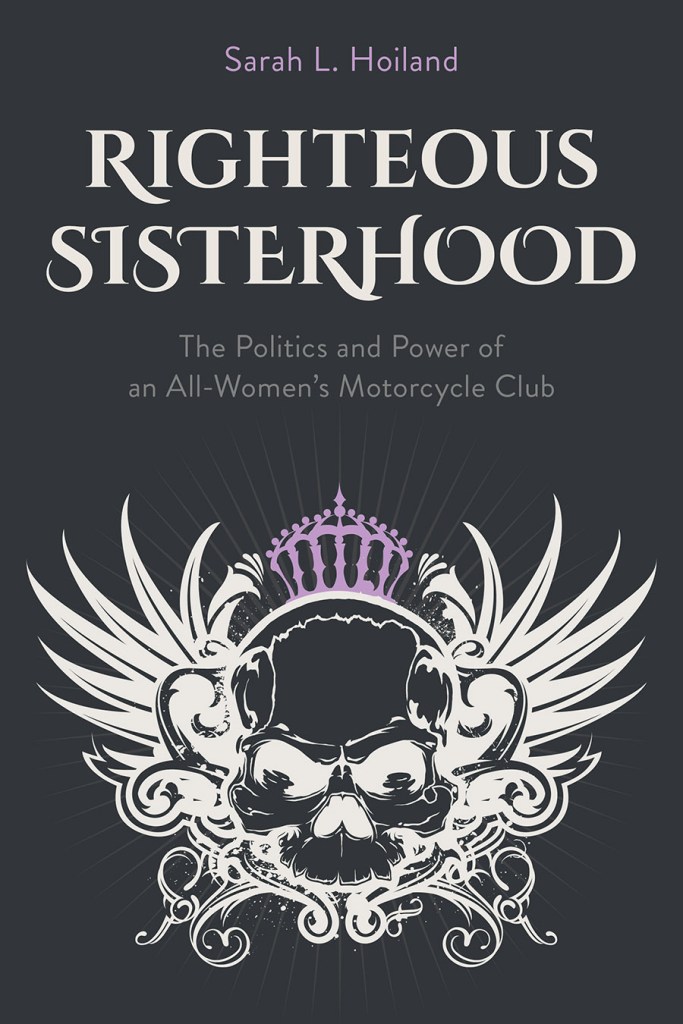
In this episode, we have the good fortune of welcoming back returning guest and host, Dr. Sarah Hoiland, Professor of Sociology at Hostos Community College. When she was here in 2018, she talked about an article she had written about the 1947 Gypsy tour motorcycle rally in Hollister, California. That was foundational research she was conducting on motorcycle culture and women’s empowerment which, seven years later, became the book Righteous Sisterhood: Politics and Power in an All-Women’s Motorcycle Club published by Temple University Press. She is in conversation here with Ashley Walker, a City College political science student (Note: when this was recorded in December, she was just about to graduate from Hostos!). The two met through the HOPE program (Holistic Oasis for Parents’ Education) at Hostos which is directed by Sarah. Ashley talks with Sarah about her years-long experience with an all-women’s motorcycle club from her embedded status to her eventual exile or “civic death.” In so doing, they address issues of gender, power, and the meaning of rituals and lineage and they end on the positive note of the joy of community building.
Sarah L. Hoiland, Professor of Sociology at Hostos Community College, the Research and Budget Director at the CUNY Academy, and Principal Investigator of two current National Science Foundation funded research projects. Righteous Sisterhood: Politics and Power in an All-Women’s Motorcycle Club (Temple University Press, 2025) offers readers a lens through which to see how righteous sisters forge a political community within and through RSMC and invites readers to explore how these women negotiate identity, politics, and the pursuit of excellence in an environment that resists change. It is a story of empowerment, defiance, and the transformative power of community amid a fractured society—while also revealing themes of disempowerment, conformity, and the exclusionary force of political communities. Her research spans a variety of contexts and topics, but it is centered around questions of identity, transformation, and belonging. In addition to the episode mentioned above, her other previous visits to Indoor Voices can be found here and here.
Ashley Walker is a recent graduate of Hostos Community College with an Associates Degree in Business Management and is currently a Political Science major at City College. She is an avid learner, loves potting/planting, books, music, and all things Tim Burton! In her career, she hopes to make lasting change in the intersections of communities she inhabits by way of advocation and policy change. Ashley is a mom, a student, a proud member of Hostos Community College HOPE program, Student Government, Student Leadership Academy, Phi Theta Kappa Honor Society, as well as the Malave Leadership Academy and is looking forward to putting her hands in as many “pots” as she can.



You must be logged in to post a comment.