
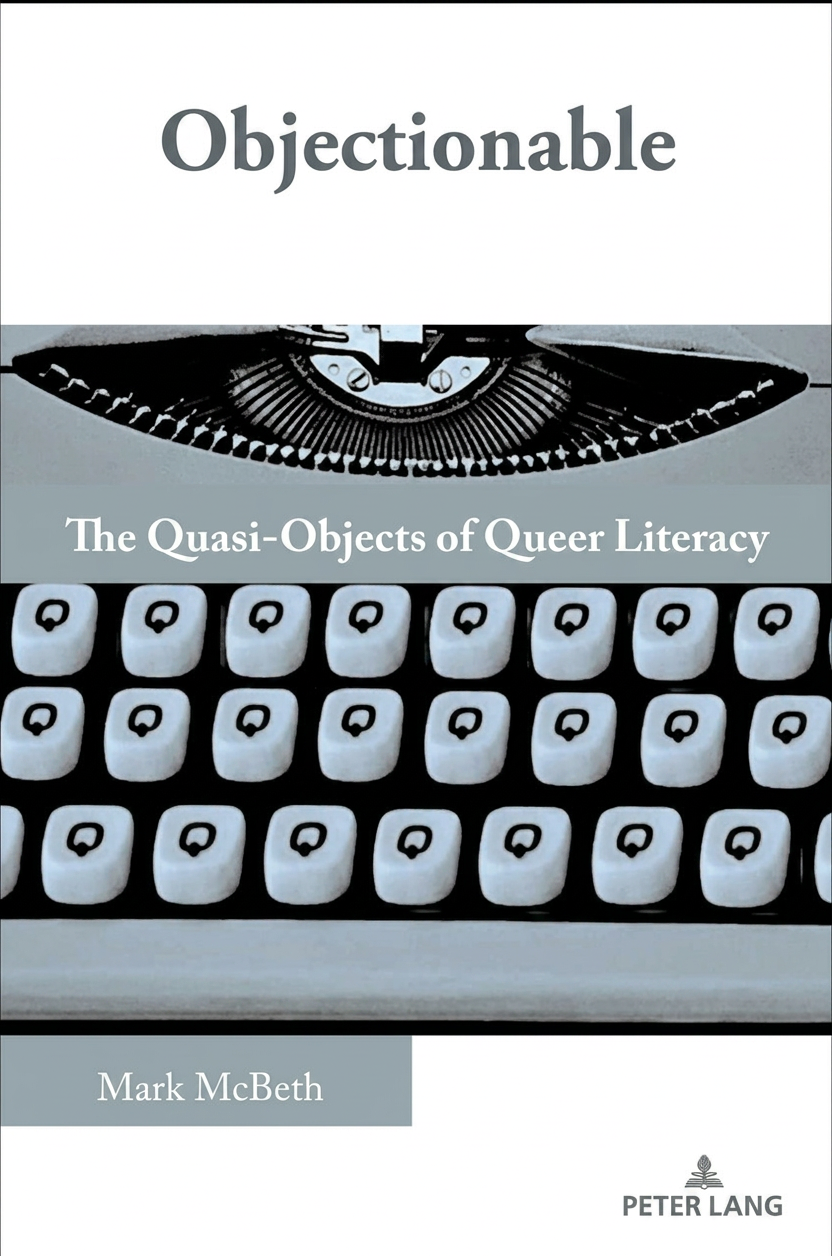
Mark McBeth, Professor of English at John Jay and the Graduate Center, has had a keen interest in objects for a long time. That interest has manifested in his creative and scholarly life and has evolved into a deep respect for finding, preserving and interpreting them. In his latest book, Objectionable: The Quasi-objects of Queer Literacy (Peter Lang, 2026), he uncovers how physical everyday items (specifically here: police cadet textbooks, young adult sex education manuals, and syndicated advice columns) have actively enforced homophobia or enabled queer survival. Objectionable follows the narrative thread in his previous book, Queer Literacies: Discourses and Discontents (Lexington Books, 2019), but it shifts the analysis from the systemic institutional sponsors of homophobic rhetoric to the tangible, everyday textual objects that have a profound impact on queer survival, identity, and resistance. In other words, a focus from the powerful agency of people to that of things.
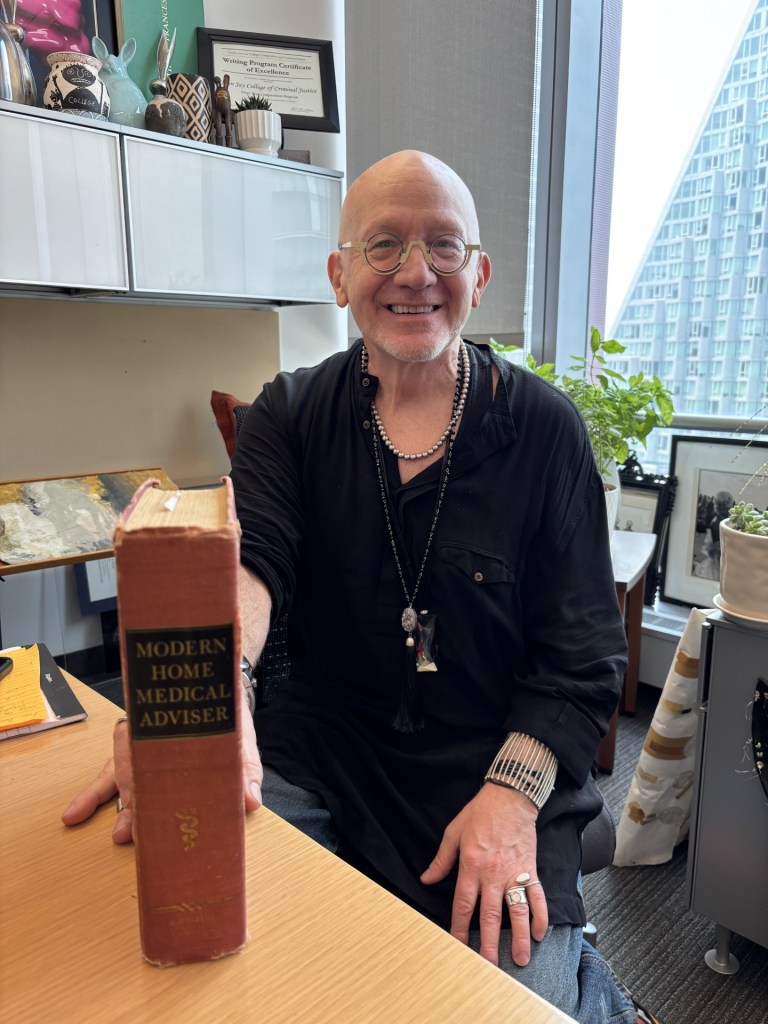
In this episode, Prof. McBeth talks about Bruno Latour and the sociological lens of quasi-objects (things that are neither purely social constructs nor inert physical matter), the interdependence of literary sponsors, his elementary school teacher Mrs. Spencer, a certain medical dictionary (see photo below), significant figures in the world of queer archives such as Barbara Gittings, and some of his own archival quests.
Listen to Episode 124 now! (Apple Podcasts) (Spotify) (JSTOR – includes transcript)
Follow us! Indoor Voices (Apple Podcasts)


You must be logged in to post a comment.